Understanding Material Compatibility

The visual impact of cable management depends heavily on how well your chosen materials complement your desk surface. A Nordic birch desk calls for different solutions than a dark walnut surface, and understanding these relationships creates seamless integration.

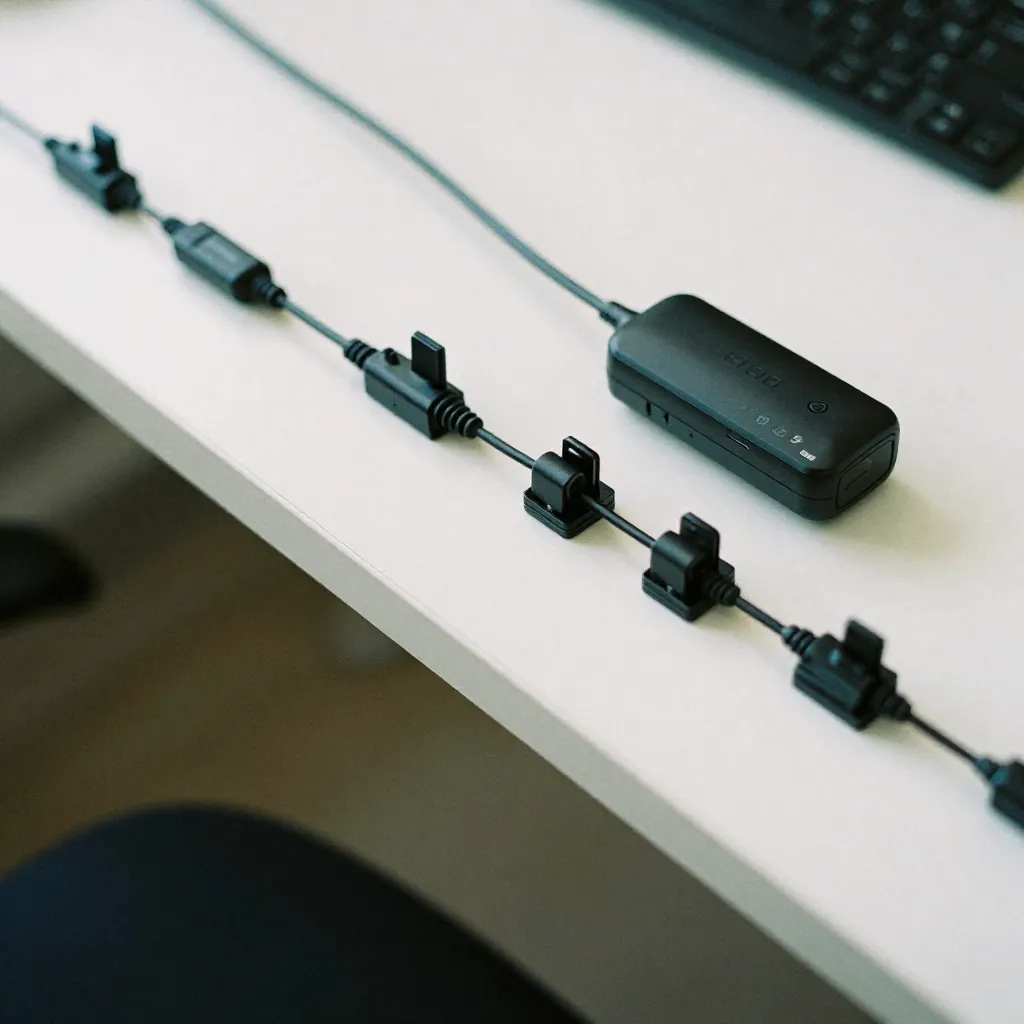
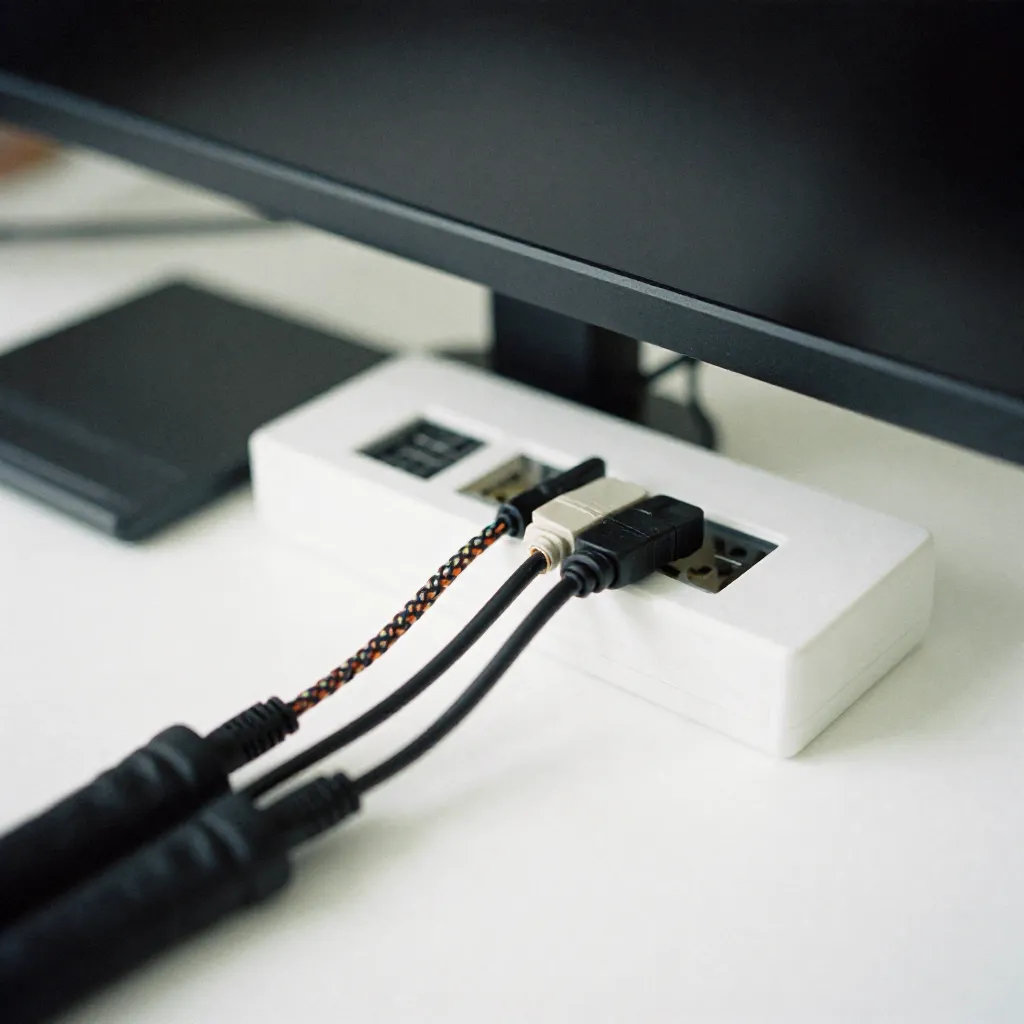
Material harmony isn't just about color matching—it's about texture, finish, and visual weight. Light-colored desks benefit from subtle, neutral-toned management tools, while darker surfaces can handle more contrast without looking out of place.
Material compatibility examples for different desk types

Light Wood Surfaces

Cable management for light wood desks

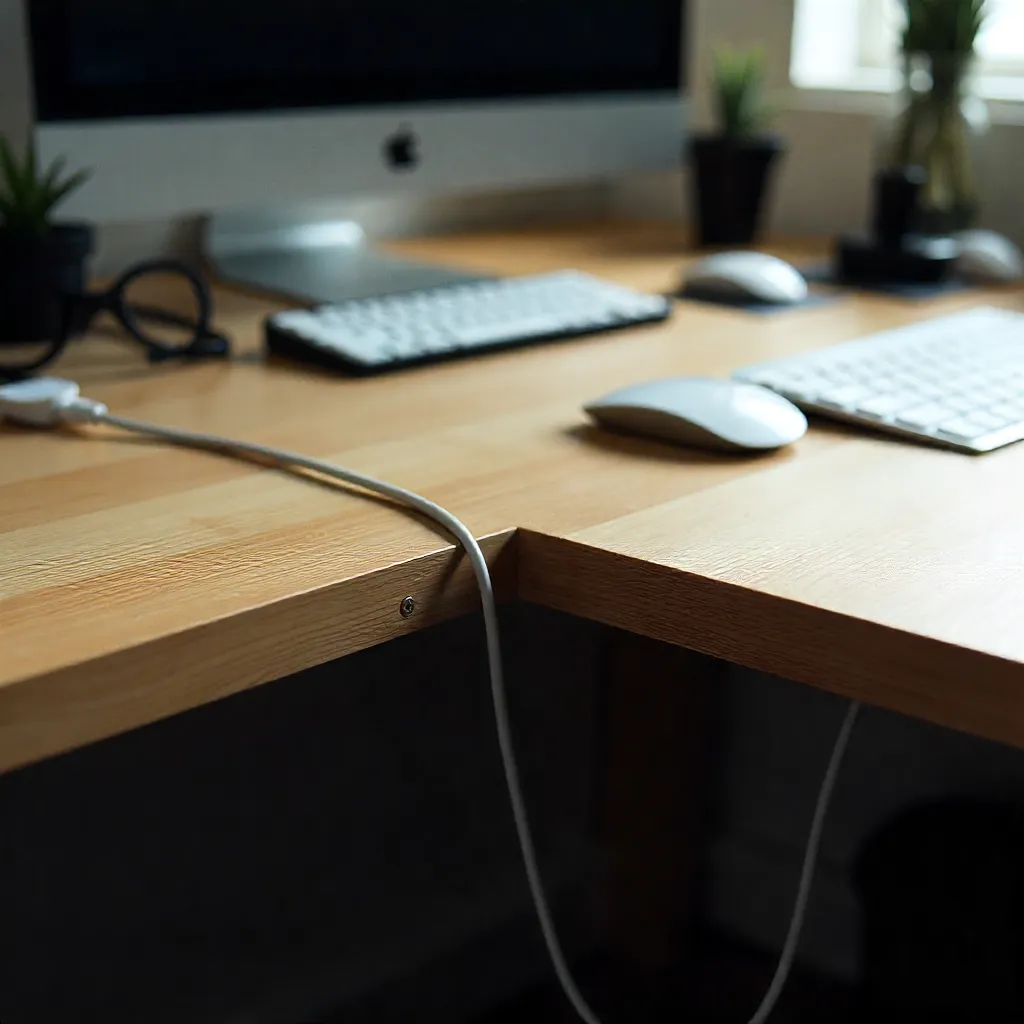
Nordic birch and similar light woods work best with natural-toned management solutions. Leather straps in tan or light brown blend seamlessly, while braided sleeves in neutral grays or beiges maintain the clean aesthetic.

Wooden raceways can be stained to match your specific wood tone, creating an almost invisible integration. The goal is to make the management system feel like a natural extension of the desk rather than an add-on accessory.

Dark Wood Surfaces

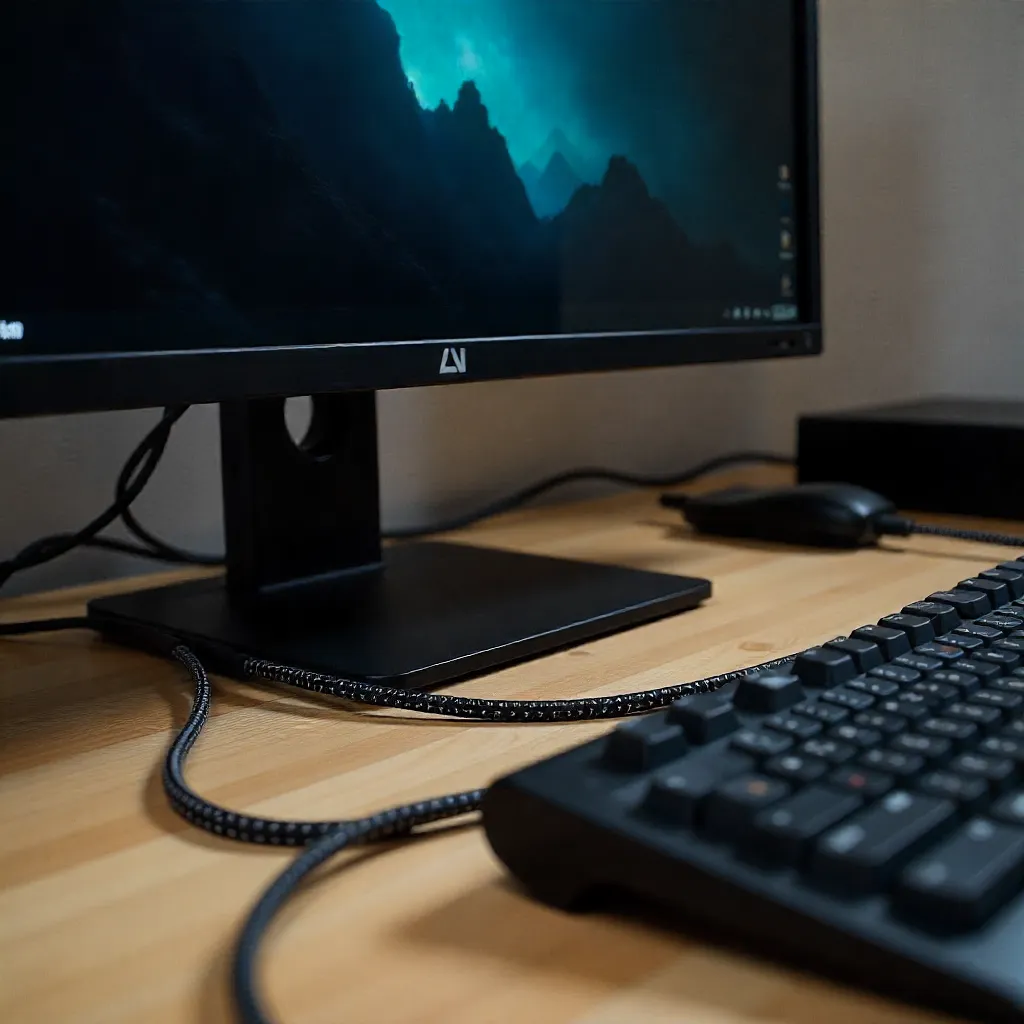
Dark walnut and similar rich woods can handle more contrast. Black or dark brown leather straps create definition without overwhelming the surface. Metal clips in brushed aluminum or matte black provide a modern, industrial complement.

The darker surface allows for more visible management solutions, so you can use slightly more substantial hardware without it looking out of place. This flexibility makes dark wood surfaces particularly forgiving for cable management.

Cable management solutions for dark wood desks

Making Cables Disappear

Invisible cable integration techniques

The ultimate goal is making cables disappear into your workspace aesthetic. This happens when management tools match not just color, but also texture and finish. A matte desk surface pairs best with matte management tools, while glossy surfaces can handle more reflective materials.

Consider the viewing angle when selecting materials. What looks good from above might stand out when viewed from the side. Test your solutions from multiple angles to ensure they maintain harmony from all perspectives.

Privacy Notice

We use cookies to enhance your browsing experience and analyze site traffic. By continuing to use this site, you consent to our use of cookies.